
Animals
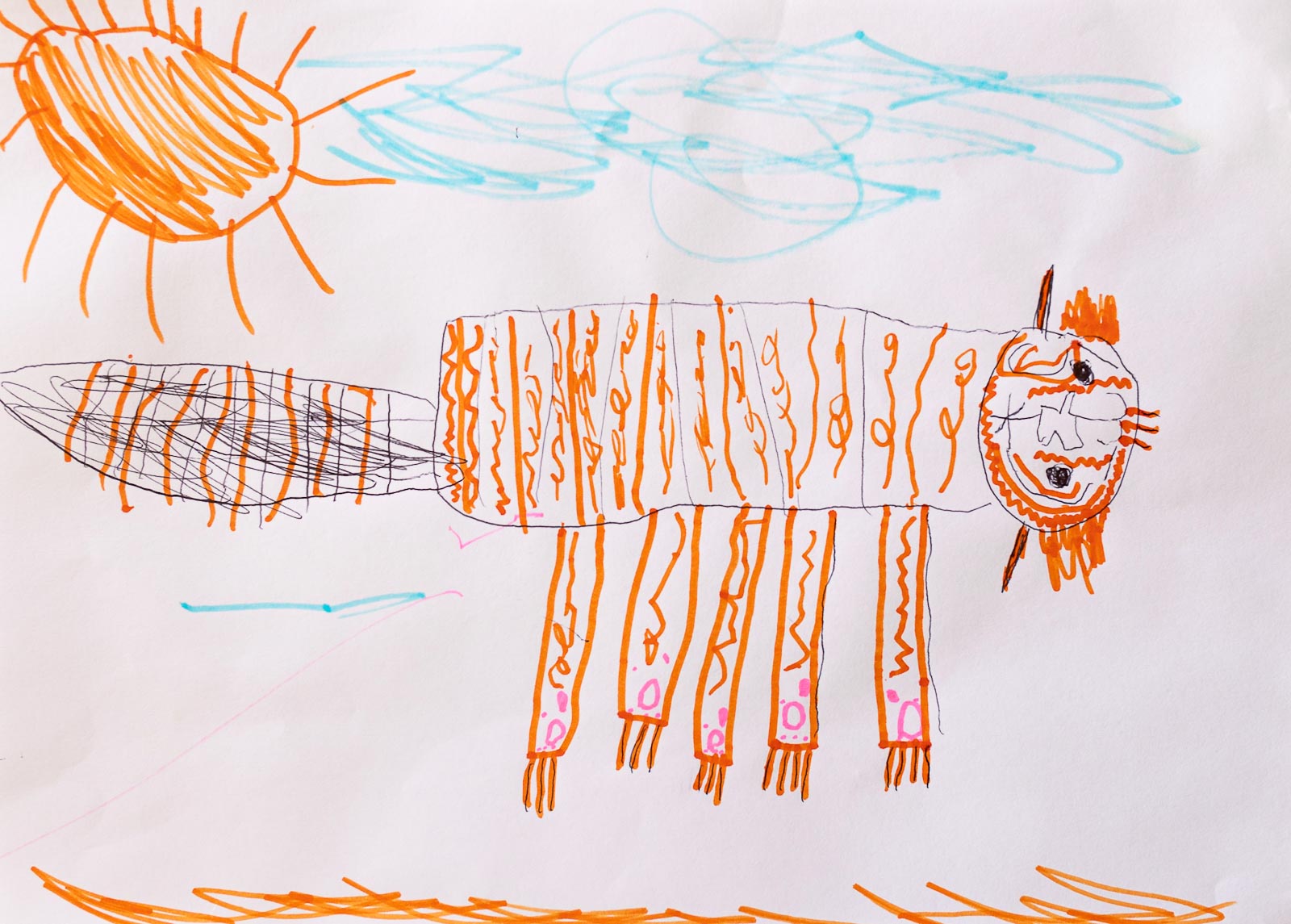
Animals are popular in early childhood education — there are endless opportunities for ongoing projects.
Animals appeal to children's natural desire to stimulate their senses and connect with other living beings. This interest topic spans cultures, languages and age groups.
Learning opportunities
Explore types of animals
Children can learn about different types of animals:
- invertebrates
- vertebrates.
Learn about animal themes
Children can learn about animal themes:
Dangerous animals, endangered animals, extinct animals, farm animals, jungle animals, marine creatures, native australian animals, pets, prehistoric creatures, wild animals, working animals, and zoo animals.
Identify
Children can identify . What do they look like and how do they function?:
Animal antennas. animal scales, beaks, bones, claws, fangs, feathers, fins, flippers, fur, gills, hoofs, horns, legs, paws, tails, tentacles, whiskers, and wings.
Discover
Children can learn about :
Animal hides. animal scales, bones, coral, feathers, fur, leather, sea sponges, shells, venom, and wool.
Learning experiences
Make animals
Children can make animals from clay.
Sort toy animals by their skin covering
Place a variety of toy animals on a table with three different tubs. Invite the children to sort the animals into tubs according to their skin covering — feathers, fur or scales.
Act out an animal-themed story
Every child's bookshelf has stories about animals. Many animal characters have human qualities and experiences, which help children learn empathy.
Read the story as a group and then act it out. Older children can put on a complete performance, while babies and toddlers can mimic sounds and movements.
Create sensory habitats for toy animals
Create sensory play stations that reflect the natural habitats of toy animals. Place toy whales in a tub of water with sand and shells on the bottom. Can you make them splash their tales?
Add toy horses to green playdough, grass, and sticks with leaves still attached. Let children make their own horse habitat.
Fill a shallow tray with water and freeze it — add toy penguins. What happens when their habitat gets too hot?
Play animal charades
Play a game with rules that develops observation, gross motor and social skills. One child pretends to be an animal, while other children guess which one it is. You may or may not allow noises.
Let the children choose an animal or use cards featuring animal pictures.
For a greater challenge, split the children into teams and let them keep score using a tally system. This teaches mark making and emerging literacy skills.
Design a life for a stuffed animal
Pretend a stuffed animal is your classroom pet. Design an identity for it. This project works with all age groups and can be simple or complex.
Where does it live — can we build a home for it? What is its name?
What does it eat? Make pretend food and ask children to feed it regularly.
What sort of shelter does it need? Design and make a house for your animal.
Learn about life cycles. Surprise the children one day with a baby soft toy!
Investigate animal houses
When children research animal houses they will learn how simple structures are built and engineered. They will gain awareness of natural materials and the unique needs of different animals.
Animals live in many types of structures, like bird nests, burrows, caves, dens, hives, shells, spider webs, and termite mounds.
Use books and the internet to research, but also go outside and observe local wildlife.
Set up a provocation on a table, such as a bird's nest or beehive, that children can inspect and draw.
Can children build structures themselves, like spiderwebs from wool, bird's nests from twigs and grass, or burrows in the sandpit?
Ask children about their pets at home. Where do they sleep at night?